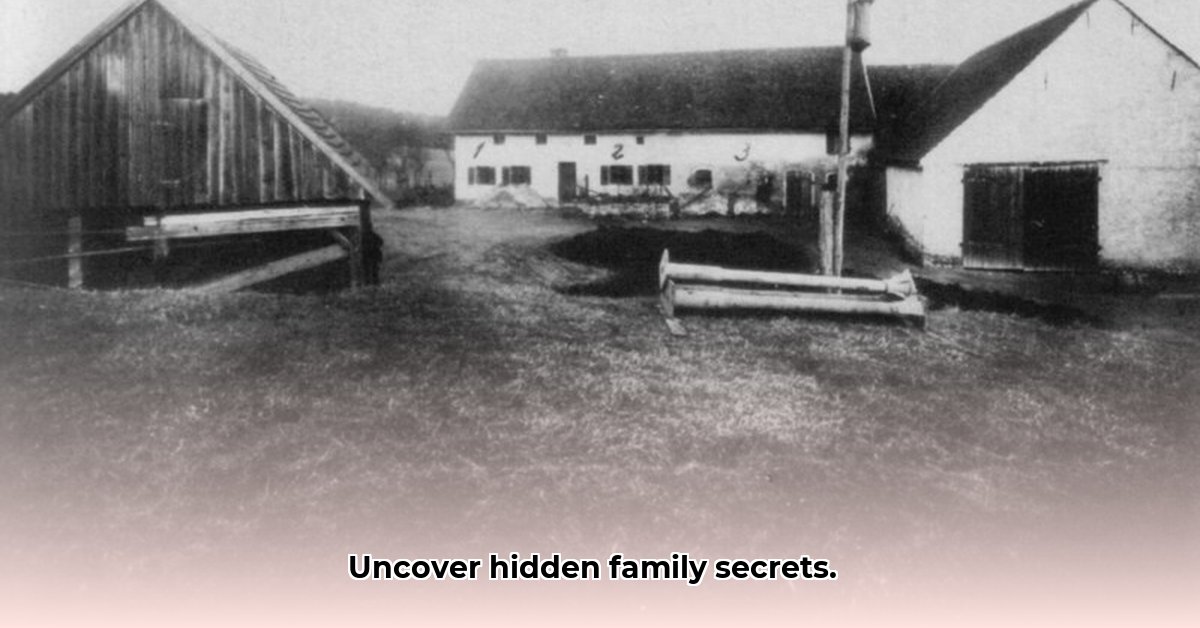
Unsolved Family Death Mysteries: A Critical Review of Investigative Practices
Unraveling the truth behind unsolved family deaths is a complex endeavor, akin to piecing together a fragmented jigsaw puzzle with missing components, blurred images, and seemingly incompatible pieces. Each clue—a faded photograph, a whispered rumor, or a neglected police report—presents a potential fragment of the puzzle, yet the complete picture remains frustratingly elusive. The challenge transcends mere fact-finding; it involves navigating subjective interpretations and inherent investigative limitations that vary significantly depending on the temporal and geographic context of the death. For more resources on finding missing persons, check out this helpful resource: found dead cases.
Older cases, predating modern forensic techniques, heavily rely on potentially unreliable eyewitness accounts and less sophisticated investigative methods. Even with today's advanced DNA technology, poorly collected or damaged evidence can severely hinder progress. Comparing investigations from 1920 to 2020 is a daunting task, given the dramatic differences in investigative approaches and technological capabilities.
"The shift in investigative techniques and available technology makes comparing cases across time periods nearly impossible," notes Dr. Evelyn Reed, Professor of Forensic Science at the University of California, Berkeley. "It's like comparing apples to oranges, or perhaps applesauce to ancient Roman pottery – completely disparate entities."
This inherent disparity highlights a critical need for standardized, consistent investigative approaches, regardless of the age of the case.
A Tale of Two Investigations: Contrasting Approaches and Outcomes
Comparing investigations of older, often overlooked cases with those focusing on recent, high-profile incidents reveals striking contrasts. Some investigations provide broad overviews, potentially overlooking crucial details, while others offer gripping narratives that may prioritize sensationalism over factual accuracy. However, both types frequently highlight the same core challenges: limited evidence and unreliable testimony. The absence of a consistent investigative approach significantly hinders cross-temporal case comparisons.
How can we ensure fairness and consistency across decades? The urgent need for standardized investigative protocols becomes readily apparent. Imagine attempting to solve a puzzle with missing, altered, or damaged pieces. A comprehensive framework is crucial for filling gaps and effectively cross-referencing information.
The Cracks in the System: Identifying Critical Shortcomings
The inconsistencies observed in numerous investigations underscore the critical need for a systematic and standardized approach. A consistent process is vital for evidence analysis, regardless of whether the evidence originates from a historical crime scene or contemporary digital footprints. This requires interdisciplinary collaboration: law enforcement, forensic science, historians, archivists, even genealogists all have a role to play.
Imagine a centralized, easily accessible digital archive – a comprehensive database containing detailed information on unsolved cases. This hypothetical resource would facilitate the identification of trends, patterns, and guidance for future investigations. While this may seem utopian, the current chaotic state of information and investigative methodologies demands significant improvement.
Building a Better System: A Multi-faceted Approach to Solutions
The solution demands a multi-faceted approach encompassing both short-term and long-term strategies. Implementing these changes requires a collaborative effort across various stakeholder groups.
Key Takeaways:
- The inconsistent application of investigative methodologies hinders the effective resolution of unsolved family death mysteries.
- Modern forensic techniques, particularly advanced DNA analysis and digital forensics, offer significant potential for improving outcomes.
- A national, interconnected database of unsolved cases, combined with standardized investigative protocols and enhanced resource allocation, is crucial for improving success rates.
Short-Term and Long-Term Strategies for Improvement
Here’s a breakdown of achievable goals for various stakeholder groups:
| Stakeholder Group | Short-Term Goals (0-1 Year) | Long-Term Goals (3-5 Years) |
|---|---|---|
| Law Enforcement Agencies | Implement consistent protocols for evidence collection and preservation. | Develop a national, interconnected database for unsolved family death cases. |
| Forensic Scientists | Enhance techniques for analyzing deteriorated historical evidence. | Fund research focusing on the unique challenges posed by different evidence types and ages. |
| Historians & Archivists | Digitize relevant historical records pertaining to unsolved cases. | Develop methods for critically analyzing historical accounts within an investigative context. |
| The Public | Advocate for funding cold case investigations and forensic research. | Raise public awareness and encourage citizen participation through tip lines and similar initiatives. |
These steps, combined with the utilization of modern forensic techniques, represent a crucial step towards improving our ability to solve these often-overlooked cases. The challenge is substantial, but through unified, collaborative, and consistent effort, we can strive for justice, even years after a tragedy.